
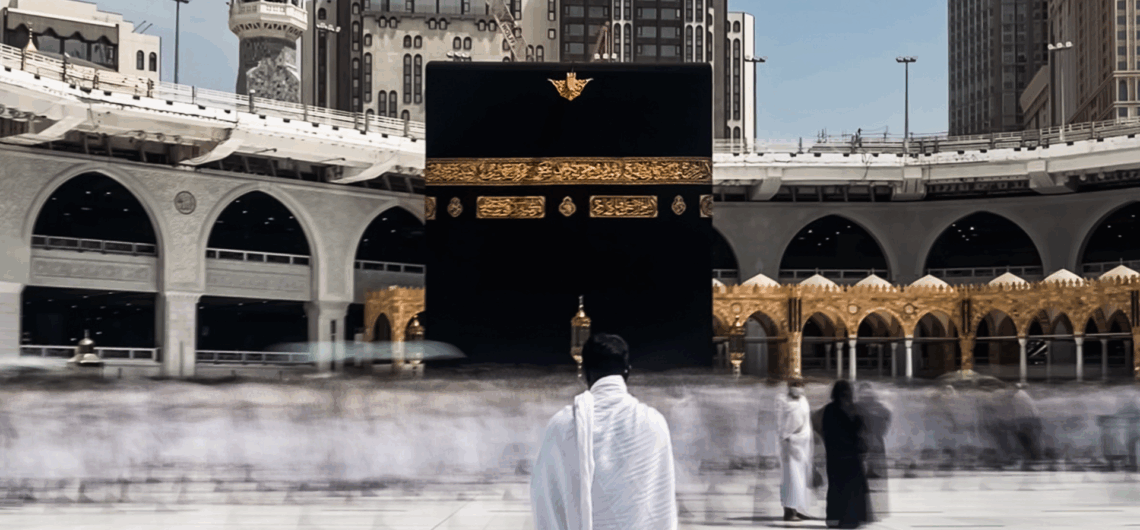
Hajj is one of the five fundamental pillars of Islam. Every Muslim who fulfills certain conditions is required to perform Hajj at least once in their lifetime. Below is a clear outline of the eligibility criteria, essential preparations, and guidance to help you approach this spiritual journey with confidence and sincerity.
Who Is Required to Perform Hajj?
A Muslim becomes obligated to perform Hajj once in their lifetime if the following conditions are met:
-
Sound mind and health: The individual must be mentally stable and physically capable of undertaking the journey.
-
Maturity: One must have reached adulthood and understand the significance of Hajj.
-
Financial ability: A person must have the means to cover all travel and accommodation expenses, while also ensuring their family or dependents are supported during their absence.
Key Preparations Before Departing for Hajj
1. Purify Your Intention
Begin with sincerity. Perform Hajj solely to fulfill Allah’s command and seek His pleasure—not for recognition, social media, or worldly praise. A clean intention gives the journey its true spiritual value.
2. Reconcile with Others
Seek forgiveness, resolve disputes, and mend broken ties with family, friends, and neighbors. Leaving with a clean heart allows you to return spiritually renewed.
3. Learn the Rites of Hajj
Study the rituals such as Tawaf, Sa’i, standing at Arafah, staying in Muzdalifah, and the rites of Mina. Read authentic guides, attend seminars, or watch reliable educational videos. Preparation ensures you can focus fully on worship.
4. Fulfill Financial Duties
Settle outstanding debts where possible, or obtain consent from creditors if repayment must be delayed. Address unpaid obligations such as Zakah to depart with peace of mind.
5. Prepare an Islamic Will
Although one prays for a safe return, it is wise to draft a will before embarking. Specify how assets should be distributed and appoint guardians for dependents in accordance with Islamic guidelines.
6. Prioritize Your Health
Hajj involves physical effort. Schedule a health check-up, complete necessary vaccinations, and carry essential prescriptions and a small first-aid kit. Staying healthy enables you to perform rituals with focus and strength.
7. Organize Travel Essentials
Ensure all documents are valid and accessible, including passport, visa, and identification (with copies kept separately). Pack thoughtfully, including:
-
Ihram garments
-
Personal toiletries
-
Comfortable sandals
-
Prayer mat
-
Refillable water bottle
For safety in crowds, consider secure options like anti-theft waist pouches or Ihram belts.
8. Make Arrangements at Home
If you have family, dependents, or business obligations, arrange care and management before leaving. Automate bill payments, delegate responsibilities, and secure your home so you can focus entirely on worship.
9. Strengthen Spiritual Readiness
Increase dhikr (remembrance of Allah), remain punctual in salah, and reduce unnecessary distractions. Mentally prepare for patience when facing heat, long walks, and crowds.
10. Prepare a Dua List
Hajj is a time when supplications hold great value. Write down your personal duas for yourself, your family, the wider Muslim ummah, and those who asked for your prayers. A clear list ensures your time is spent meaningfully.
Note: Hajj is both a physical journey and a deeply spiritual transformation. Enter it with humility, patience, and sincerity. With proper preparation—of heart, mind, and body—you can return not only with the completion of a great obligation but also with a soul renewed and forgiven.
Essential Items to Pack for Hajj 2026
1. Ihram Clothing
Ihram consists of two plain, white, unstitched cloths. For comfort in the hot climate, choose breathable fabrics such as cotton or terrycloth, which absorb sweat and stay cool.
Suggested measurements:
-
Lower cloth: 115 cm x 3 m (approx. 45 in. x 3 ⅓ yd.)
-
Upper cloth: 115 cm x 1.8 m (approx. 45 in. x 2 yd.)
Tips:
-
Cut two thin strips (2–3 inches wide) from the fabric to tie the lower garment—use one and keep the other as a spare.
-
Cut a wider strip (8–10 inches) to create a pouch for essentials like money, tickets, or ID. Keep items inside a small plastic bag to protect them from moisture.
-
A simple waist belt or money pouch can also be used for medication, pens, or other small items, but be aware these may be checked at the entrances to sacred sites.
2. Personal Medication
Health care is crucial during Hajj, as long walks and crowded conditions may lead to fatigue or illness. Plan ahead:
-
Speak with your doctor about preventive medicine and any prescriptions you may need. Some travelers carry a broad-spectrum antibiotic for emergencies.
-
If you have ongoing medical conditions (e.g., heart disease, diabetes), carry a medical ID card and keep your medicines in an easy-to-reach place.
-
Bring a small health kit with:
-
Pain relievers (paracetamol or ibuprofen)
-
Tablets for diarrhea and nausea
-
Ointment for muscle pain
-
Cough lozenges and multivitamins
-
Bandages, antiseptic cream, and plasters
-
Local pharmacies may not stock everything you need, so carry an adequate supply.
3. Money Belt or Waist Pouch
A secure waist pouch helps keep valuables safe. Wear it under your clothing and keep it close at all times. During Tawaf or in very crowded areas, it’s wise to hold it with your hand for extra protection.
4. Luggage
Choose a strong hard-shell suitcase with a reliable locking system. Soft bags or weak locks are easier to tamper with. Keep money, passports, and important documents with you—not in checked luggage. Carry two sets of keys: one in your pouch and another in a different safe place.
5. Money
Plan your budget carefully and manage funds wisely:
-
Carry a mix of cash and bank cards (Visa and Mastercard are widely accepted in Saudi Arabia).
-
Bring a small amount of Saudi Riyals (around 1,000 SAR recommended) for immediate use on arrival. You can exchange currency at the airport if needed.
-
Keep some U.S. dollars as backup for emergencies or local exchange.
6. Clothing
The climate is hot for most of the year, with cooler mornings and evenings in some places (like Madinah). Pack lightweight, breathable clothes for the day and a sweater or light jacket for cooler times.
-
Bring enough clothes for your stay, as laundry services can be costly and busy during Hajj.
-
Carry a small packet of detergent for handwashing if needed.
7. Toiletries & Everyday Items
Keep personal hygiene and comfort in mind. Suggested items include:
-
Basic toiletries (toothbrush, unscented soap, shampoo, deodorant)
-
Compact prayer mat
-
Small water bottle
-
Mini first-aid kit
Make a checklist before departure to avoid missing essentials.
8. Travel Documents
Ensure all documents are valid and ready:
-
Passport, visa, and ID
-
Extra photocopies stored separately
-
Digital copies saved securely (e.g., email or cloud storage)
Keep originals in a pouch or belt for quick access.
9. Health & Hygiene
The hot climate and large crowds make personal care very important. Pack:
-
Sunscreen and lip balm
-
Moisturizer for dry skin
-
Hand sanitizer and wet wipes
10. Spiritual Essentials
Since Hajj is a journey of worship, also bring:
-
A pocket-sized Qur’an or dua book
-
A notebook for duas or personal reflections
-
A small umbrella or scarf for sun protection
✅ With these essentials, you’ll be better prepared to focus on your worship while staying comfortable and safe during your pilgrimage.
