Hajj is one of the five fundamental pillars of Islam. Every Muslim who fulfills certain conditions is required to perform Hajj at least once in their lifetime. Below is a clear outline of the eligibility criteria, essential preparations, and guidance to help you approach this spiritual journey with confidence and sincerity.

Who Is Required to Perform Hajj?

A Muslim becomes obligated to perform Hajj once in their lifetime if the following conditions are met:

  • Sound mind and health: The individual must be mentally stable and physically capable of undertaking the journey.

  • Maturity: One must have reached adulthood and understand the significance of Hajj.

  • Financial ability: A person must have the means to cover all travel and accommodation expenses, while also ensuring their family or dependents are supported during their absence.

Key Preparations Before Departing for Hajj

1. Purify Your Intention

Begin with sincerity. Perform Hajj solely to fulfill Allah’s command and seek His pleasure—not for recognition, social media, or worldly praise. A clean intention gives the journey its true spiritual value.

2. Reconcile with Others

Seek forgiveness, resolve disputes, and mend broken ties with family, friends, and neighbors. Leaving with a clean heart allows you to return spiritually renewed.

3. Learn the Rites of Hajj

Study the rituals such as Tawaf, Sa’i, standing at Arafah, staying in Muzdalifah, and the rites of Mina. Read authentic guides, attend seminars, or watch reliable educational videos. Preparation ensures you can focus fully on worship.

4. Fulfill Financial Duties

Settle outstanding debts where possible, or obtain consent from creditors if repayment must be delayed. Address unpaid obligations such as Zakah to depart with peace of mind.

5. Prepare an Islamic Will

Although one prays for a safe return, it is wise to draft a will before embarking. Specify how assets should be distributed and appoint guardians for dependents in accordance with Islamic guidelines.

6. Prioritize Your Health

Hajj involves physical effort. Schedule a health check-up, complete necessary vaccinations, and carry essential prescriptions and a small first-aid kit. Staying healthy enables you to perform rituals with focus and strength.

7. Organize Travel Essentials

Ensure all documents are valid and accessible, including passport, visa, and identification (with copies kept separately). Pack thoughtfully, including:

  • Ihram garments

  • Personal toiletries

  • Comfortable sandals

  • Prayer mat

  • Refillable water bottle

For safety in crowds, consider secure options like anti-theft waist pouches or Ihram belts.

8. Make Arrangements at Home

If you have family, dependents, or business obligations, arrange care and management before leaving. Automate bill payments, delegate responsibilities, and secure your home so you can focus entirely on worship.

9. Strengthen Spiritual Readiness

Increase dhikr (remembrance of Allah), remain punctual in salah, and reduce unnecessary distractions. Mentally prepare for patience when facing heat, long walks, and crowds.

10. Prepare a Dua List

Hajj is a time when supplications hold great value. Write down your personal duas for yourself, your family, the wider Muslim ummah, and those who asked for your prayers. A clear list ensures your time is spent meaningfully.

Note: Hajj is both a physical journey and a deeply spiritual transformation. Enter it with humility, patience, and sincerity. With proper preparation—of heart, mind, and body—you can return not only with the completion of a great obligation but also with a soul renewed and forgiven.

Essential Items to Pack for Hajj 2026

1. Ihram Clothing

Ihram consists of two plain, white, unstitched cloths. For comfort in the hot climate, choose breathable fabrics such as cotton or terrycloth, which absorb sweat and stay cool.

Suggested measurements:

  • Lower cloth: 115 cm x 3 m (approx. 45 in. x 3 ⅓ yd.)

  • Upper cloth: 115 cm x 1.8 m (approx. 45 in. x 2 yd.)

Tips:

  • Cut two thin strips (2–3 inches wide) from the fabric to tie the lower garment—use one and keep the other as a spare.

  • Cut a wider strip (8–10 inches) to create a pouch for essentials like money, tickets, or ID. Keep items inside a small plastic bag to protect them from moisture.

  • A simple waist belt or money pouch can also be used for medication, pens, or other small items, but be aware these may be checked at the entrances to sacred sites.

2. Personal Medication

Health care is crucial during Hajj, as long walks and crowded conditions may lead to fatigue or illness. Plan ahead:

  • Speak with your doctor about preventive medicine and any prescriptions you may need. Some travelers carry a broad-spectrum antibiotic for emergencies.

  • If you have ongoing medical conditions (e.g., heart disease, diabetes), carry a medical ID card and keep your medicines in an easy-to-reach place.

  • Bring a small health kit with:

    • Pain relievers (paracetamol or ibuprofen)

    • Tablets for diarrhea and nausea

    • Ointment for muscle pain

    • Cough lozenges and multivitamins

    • Bandages, antiseptic cream, and plasters

Local pharmacies may not stock everything you need, so carry an adequate supply.

3. Money Belt or Waist Pouch

A secure waist pouch helps keep valuables safe. Wear it under your clothing and keep it close at all times. During Tawaf or in very crowded areas, it’s wise to hold it with your hand for extra protection.

4. Luggage

Choose a strong hard-shell suitcase with a reliable locking system. Soft bags or weak locks are easier to tamper with. Keep money, passports, and important documents with you—not in checked luggage. Carry two sets of keys: one in your pouch and another in a different safe place.

5. Money

Plan your budget carefully and manage funds wisely:

  • Carry a mix of cash and bank cards (Visa and Mastercard are widely accepted in Saudi Arabia).

  • Bring a small amount of Saudi Riyals (around 1,000 SAR recommended) for immediate use on arrival. You can exchange currency at the airport if needed.

  • Keep some U.S. dollars as backup for emergencies or local exchange.

6. Clothing

The climate is hot for most of the year, with cooler mornings and evenings in some places (like Madinah). Pack lightweight, breathable clothes for the day and a sweater or light jacket for cooler times.

  • Bring enough clothes for your stay, as laundry services can be costly and busy during Hajj.

  • Carry a small packet of detergent for handwashing if needed.

7. Toiletries & Everyday Items

Keep personal hygiene and comfort in mind. Suggested items include:

  • Basic toiletries (toothbrush, unscented soap, shampoo, deodorant)

  • Compact prayer mat

  • Small water bottle

  • Mini first-aid kit

Make a checklist before departure to avoid missing essentials.

8. Travel Documents

Ensure all documents are valid and ready:

  • Passport, visa, and ID

  • Extra photocopies stored separately

  • Digital copies saved securely (e.g., email or cloud storage)

Keep originals in a pouch or belt for quick access.

9. Health & Hygiene

The hot climate and large crowds make personal care very important. Pack:

  • Sunscreen and lip balm

  • Moisturizer for dry skin

  • Hand sanitizer and wet wipes

10. Spiritual Essentials

Since Hajj is a journey of worship, also bring:

  • A pocket-sized Qur’an or dua book

  • A notebook for duas or personal reflections

  • A small umbrella or scarf for sun protection


✅ With these essentials, you’ll be better prepared to focus on your worship while staying comfortable and safe during your pilgrimage.
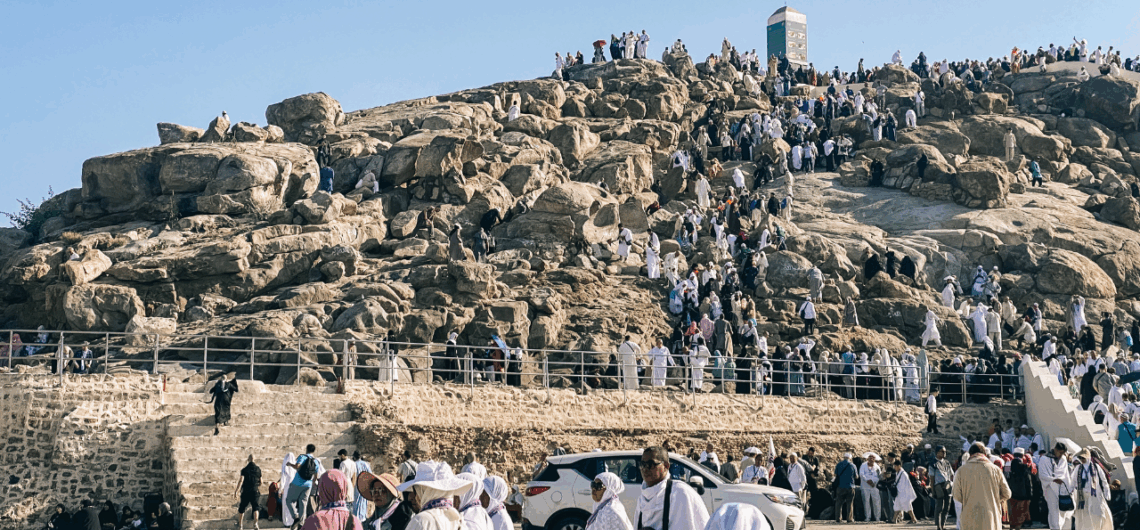
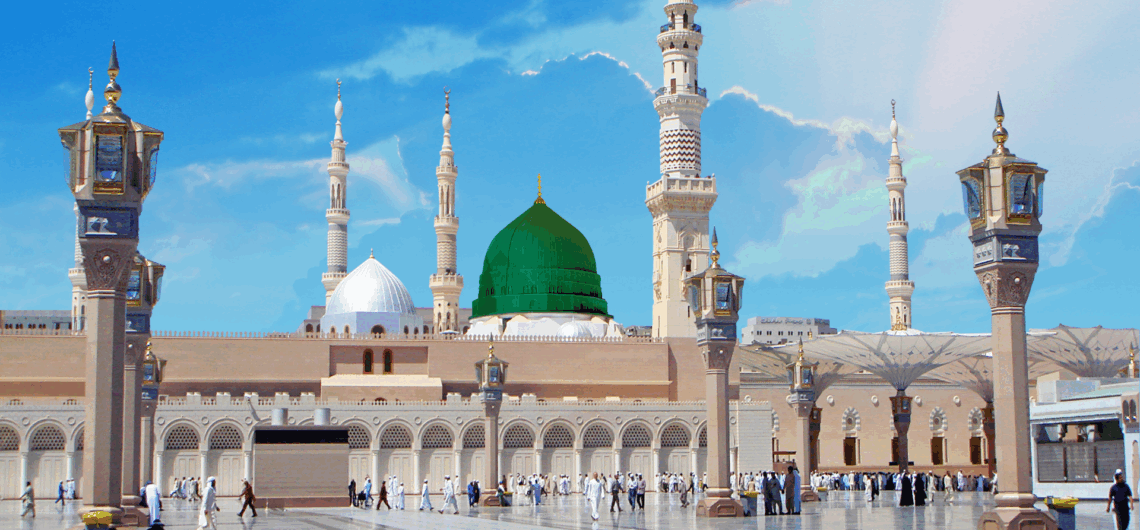
The Day of ‘Arafah (Yawm al-‘Arafah) falls on the 9th of Dhul Hijjah and is one of the most sacred days in the Islamic calendar. It carries deep spiritual meaning for Muslims worldwide and is the central day of Hajj.


What Is the Day of ‘Arafah?

On this day, pilgrims gather at the plains of ‘Arafah, raising their hands in dua and seeking Allah’s mercy and forgiveness. It is a time when:

  • Allah (SWT) perfected the religion, completed His favor upon the Prophet Muhammad ﷺ, and declared Islam as the chosen way of life.

  • The Farewell Sermon of the Prophet ﷺ was delivered, reminding believers of unity, justice, and devotion.

Qur’anic References:

  • “This day I have perfected for you your religion and completed My favor upon you and have approved for you Islam as your religion.” (Surah Al-Ma’idah 5:3) – revealed during the Prophet’s ﷺ Farewell Pilgrimage on ‘Arafah.

  • “…when you leave ‘Arafat, remember Allah at the Sacred Place…” (Surah Al-Baqarah 2:198) – emphasizing remembrance after departing ‘Arafah.


Why Is the Day of ‘Arafah Important?

  • It is a day of forgiveness, mercy, and freedom from the Fire.

  • The Prophet ﷺ said: “There is no day on which Allah frees more people from the Fire than the Day of ‘Arafah.” (Muslim)

  • For pilgrims, standing at ‘Arafah is the very heart of Hajj: “Hajj is ‘Arafah.” (Abu Dawud)


When Is the Day of ‘Arafah in 2026?

In 2026, the Day of ‘Arafah is expected to begin at sunset on Monday, May 25, and end at sunset on Tuesday, May 26 (depending on moon sighting).


How to Observe the Day of ‘Arafah (for Non-Pilgrims)

Even if you are not performing Hajj, you can gain immense rewards by observing this day with worship and devotion. Recommended acts include:

  1. Fasting – A Sunnah highly encouraged for non-pilgrims. The Prophet ﷺ said fasting on this day erases sins of the previous year and the coming year.

  2. Increase worship – Recite Qur’an, perform voluntary prayers, and send abundant salawat upon the Prophet ﷺ.

  3. Supplication (Dua) – Make heartfelt duas for yourself, your family, and the Ummah.

  4. Dhikr – Frequently recite Tahleel (La ilaha illa Allah), Takbeer (Allahu Akbar), and Tahmeed (Alhamdulillah).

  5. Charity (Sadaqah) – Give in the way of Allah. The Prophet ﷺ said: “Charity extinguishes sins as water extinguishes fire.” (Tirmidhi)

  6. Reflection and Gratitude – Review your progress since Ramadan and renew your commitment to Allah’s path.


For Pilgrims Performing Hajj

  • After Fajr in Mina, pilgrims proceed to the plain of ‘Arafah.

  • Shortened Dhuhr and Asr prayers (two rak‘ahs each) are prayed in congregation.

  • A khutbah is delivered at Masjid al-Nimra before the prayers.

  • Pilgrims spend the day in earnest dua, repentance, and remembrance until sunset.

Note: Fasting is not required for pilgrims, as they need strength for the rituals.


Recommended Dua on the Day of ‘Arafah

The Prophet ﷺ said: “The best supplication is the supplication on the Day of ‘Arafah.” (Muslim)

One of the most powerful duas is:

Arabic:
لَا إِلٰهَ إِلَّا اللَّهُ وَحْدَهُ لَا شَرِيكَ لَهُ، لَهُ الْمُلْكُ وَلَهُ الْحَمْدُ وَهُوَ عَلَى كُلِّ شَيْءٍ قَدِيرٌ

Translation:
“None has the right to be worshipped except Allah, alone, without partner. His is the dominion, all praise belongs to Him, and He has power over all things.”


Connection to Eid al-Adha and Qurbani

  • The Day of ‘Arafah is on the 9th of Dhul Hijjah.

  • Eid al-Adha (and the sacrifice of Qurbani) begins the following day, on the 10th of Dhul Hijjah, and continues until the 12th/13th.

  • Believers are also encouraged to give Zakat and Sadaqah during these blessed days.


Key Hadith on the Virtues of ‘Arafah

  • “Hajj is ‘Arafah.” (Abu Dawud)

  • “There is no day on which Allah frees more servants from the Fire than the Day of ‘Arafah.” (Muslim)


✨ The Day of ‘Arafah is a reminder of submission, mercy, and renewal of faith. Whether on the plains of ‘Arafah or at home, every believer has the opportunity to seek forgiveness, draw closer to Allah, and secure blessings for this life and the Hereafter.

Performing Hajj is one of the greatest acts of worship in Islam and is a once-in-a-lifetime duty for Muslims who are able—physically, mentally, and financially. As Hajj 2026 draws near, many Muslims from the United States, Canada, Europe, and other regions are preparing for this sacred journey.

One of the most important steps is securing a Hajj visa through the official Nusuk platform. Applying incorrectly or missing requirements can result in being denied entry, even if you have already purchased a package.

This guide will help you understand:

  • How the Hajj visa process works

  • Who is eligible and what documents are required

  • The step-by-step Nusuk registration process

  • Common mistakes and how to avoid them

  • How trusted travel partners like Al Raad Tours & Travels can guide you


Why is a Hajj Visa Required in 2026?

Travelers cannot perform Hajj using a tourist or Umrah visa. A Hajj-specific visa is mandatory and is only issued through the Nusuk registration system.

Saudi Arabia sets a quota for each country to manage the number of pilgrims and ensure safety. Registering outside of Nusuk or skipping steps will result in your application being rejected, regardless of payment.


Hajj 2026 Visa Eligibility & Requirements

To apply successfully, you must:

  • Register through the Nusuk Hajj portal

  • Be in good physical and mental health

  • Hold a passport valid for at least 6 months beyond your travel date

  • Upload a recent passport-sized photo

  • Provide proof of vaccination (meningitis and, if required, COVID-19)

  • For non-citizens: upload residency proof (green card, work permit, etc.)


How to Register on Nusuk – Step by Step

1. Create an Account

Visit the official Nusuk Hajj site and register with your passport details and email address. Ensure that the information matches exactly with your official documents.

2. Submit Documents & Information

Fill out your personal details (residency, health info, ID numbers) and upload:

  • A valid passport (6+ months)

  • A passport photo that meets the required standards

  • Proof of residency if you are applying outside your home country

➡️ Tip: Upload clear, high-resolution scans to avoid delays.

3. Pay Securely on Nusuk

Payments can only be made within the Nusuk system (via card or bank transfer). Never transfer money outside Nusuk, as this is a common scam.

4. Select a Hajj Package

Browse official Hajj packages according to your budget, duration, accommodation, and services. Read the details carefully before confirming.

5. Confirm Your Purchase

Visa allocation happens in stages and can be highly competitive. With the help of Al Raad Tours & Travels, you’ll be informed of the exact time to purchase your package, increasing your chances of securing a visa.

6. Approval & Travel Readiness

Once your registration is approved, your Hajj visa will be issued electronically through Nusuk. Print copies of your visa and package details, and keep them safe for travel.


Common Problems During Hajj Visa Applications

  • Account Verification Issues: Usually caused by mismatched passport details or missed email confirmations. Double-check all entries before submitting.

  • Payment Failures: May occur due to card restrictions, international payment blocks, or Nusuk system overloads. Use a globally accepted card and have a backup.

  • Rejected Documents: Poor-quality or incomplete uploads often lead to rejection. Always prepare documents early and scan them properly.


Final Tips Before Traveling:

  • Confirm visa approval and package details

  • Print and carry all travel documents in a pouch or belt

  • Stay updated on vaccination and medical requirements

  • Keep your documents safe during Hajj rituals in Mina, Arafat, and Tawaf

What is Nusuk Hajj?

Nusuk Hajj is Saudi Arabia’s official platform for selling Hajj packages directly to pilgrims from selected countries each year. Packages are created and operated by authorized Saudi service providers. Pilgrims browse, pay, and manage bookings inside Nusuk.

Saudi service providers, their partners, and how to pick confidently

In one line: You book Hajj 2026 packages on Nusuk, but the trips are operated by licensed Saudi service providers. Local agencies like Al Raad Tours that serve U.S., Canada, and Europe help guide you, yet payment stays inside your Nusuk account—never to the agency.

So where do local agencies come in?

Think of local agencies (in the U.S., Canada, Europe, etc.) as official guides and partners who recruit, advise, lead groups, and provide pre-/post-travel support. Booking and payment flow remains B2C inside Nusuk—agents (like Al Raad Tours and Travels) don’t take your money for Nusuk packages.

In other words:

  • Saudi service providers: create and operate packages, hotels, Mashair logistics, internal transport.
  • Local agencies: recruit groups, provide scholars/imams, manage communications, help you choose the right provider/package, and support you during travel—while the contract and payment stay with the provider via Nusuk.

How Nusuk works (quick refresher)

  • Providers: operate the package (hotels, Mashair logistics, internal transport, field teams).
  • Local agencies: recruit and guide groups, provide imams/scholars, manage communications.
  • Booking & payment: always in your own Nusuk account/e-wallet.

Rule of thumb

  • Provider = operator.
  • Agency = guide.
  • You pay in Nusuk.

How to choose

  • Step 1: Pick the operator first. Compare hotel class and location, Mina–Arafat camp setup, internal buses, and movement timings.
  • Step 2: Choose your agency team. Consider language and scholar support, group size, women/family support, and WhatsApp/briefings for real-time updates.
  • Always pay in Nusuk. If anyone asks you to pay directly for a Nusuk package, that’s a red flag.
  • Expect year-to-year changes. A provider may partner with different agencies each season; use the provider name/code in Nusuk as the source of truth.

Quick FAQ:

  • Is Nusuk the only way for my country?
    Nusuk publishes Serviced Countries each season. If your country appears, official Hajj booking goes through Nusuk.
  • Can my local agency take my Nusuk payment?
    No—payments are completed by the pilgrim in their own Nusuk account/e-wallet. Agencies guide, but don’t process Nusuk payments.

As one of the leading travel experts for pilgrims, Al Raad Tours and Travels is committed to providing accurate, up-to-date guidance for Hajj 2026. While the exact dates are announced by Saudi authorities closer to the season, this post builds a practical framework to help you prepare—covering dates, key rituals, eligibility, visa basics, budgeting, and safety tips. Stay tuned for official date announcements, and bookmark this page for the latest updates.

Hajj 2026 Dates and Timeline

  • Dates (Around May 2026): Hajj occurs during the 12th month of the Islamic calendar (Dhul-Hijjah). Exact Gregorian dates depend on moon sighting and official announcements.
  • Main rites overview (approximate sequencing):
    1. Tawaf al-Qudom (Arrival Circuit) – upon reaching the Grand Mosque.
    2. Sa’i between Safa and Marwah.
    3. Arafat Day – the pinnacle of the pilgrimage.
    4. Muzdalifah – collecting pebbles, prayers under the night sky.
    5. Mina – stoning of the Jamarat and ritual consolidations.
    6. Day of Sacrifice and Tawaf al-Ifaad – final rites and return to Mecca.

Devotional note: Begin with sincere niyyah (intention) and gratitude for the opportunity to draw nearer to Allah through patience, humility, and unity with fellow pilgrims. Let your planning be a form of worship, guided by divine timing and compassion for loved ones.

Key Rituals of Hajj in 2026

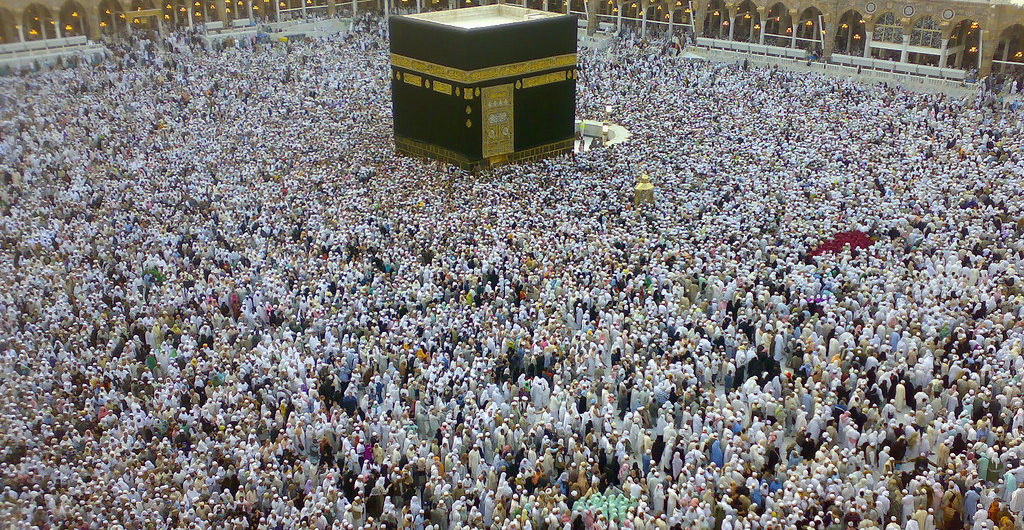
  • Tawaf al-Qudom: Welcoming circumambulation around the Kaaba. Approach with reverence and focus.
  • Sa’i: Walking between Safa and Marwah seven times. Maintain a steady pace and reflect on perseverance.
  • Arafat: Standing on the plains of Arafat; a moment of supplication and spiritual purification.
  • Muzdalifah: Overnight under the sky; gathering pebbles for the Jamarat ritual. Keep your group close and prayers sincere.
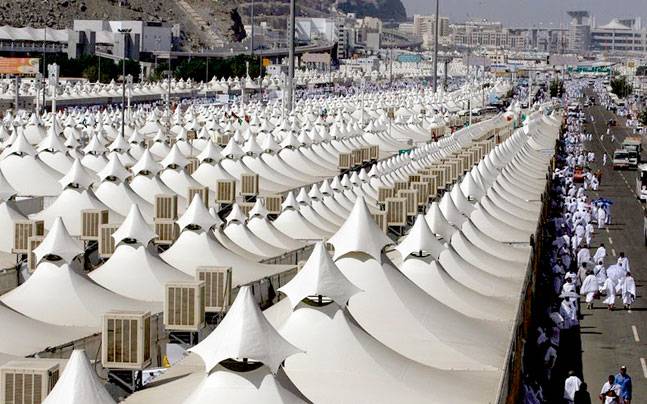
  • Mina: Remembrance and supplication in a controlled, safe environment with proper shelter.
  • Stoning of the Jamarat: Casting pebbles at three pillars; a symbolic vow to reject evil.
  • Eid al-Adha: The Ibadah sacrifice, marking culmination and gratitude.
  • Practical notes: Bring comfortable footwear, a light daypack, stay hydrated, and follow your guide’s instructions in crowded areas.

Eligibility, Visa, and Permits

  • Eligibility basics: Many countries require pilgrims to be physically fit and not have performed Hajj within a certain window, though rules vary. Check your national Hajj authority guidelines and your sponsor’s instructions.
  • Visa process: Hajj visas are issued through Nusuk with the help of travel agencies like Al Raad Tours. You’ll need identity documents, passport validity, recent photo, and personal information.
  • Sponsorship and timelines: Work with a licensed travel operator (like Al Raad Tours) to ensure you receive the correct visa package, visa issuance dates, and visa-specific requirements.
  • Deadlines and pitfalls: Start early to avoid last-minute chaos. Common issues include incomplete documents, passport validity issues, and not putting money in ewallet early.

Travel, Health, and Safety Tips

  • Vaccinations and health prep: Verify mandatory immunizations and health requirements from official Hajj authorities; schedule medical checkups ahead.
  • Hydration and nutrition: Plan for heat and physical exertion; carry a day-water bottle and light snacks.
  • Packing list:
    • Lightweight, breathable clothing; comfortable walking shoes
    • Prayer rug, modest attire, a small backpack
    • Sunscreen, hat, personal first-aid kit
    • Light rain gear if traveling in monsoon-prone months
  • Crowd safety: Follow group leaders, keep to your buddy system, and know your meeting points.
  • Insurance and emergencies: Your hajj visa includes medical insurance coverage so you can be treated at the hospital without any fees.

Updates and Changes for Hajj 2026

  • Policy changes, capacity guidelines, or health advisories are announced by the Saudi authorities and your national Hajj commission. Al Raad Tours will post official updates here and help you adjust plans accordingly.
  • How to stay updated:
    • Subscribe to our YouTube channel
    • Follow Al Raad Tours on social media
    • Check official Hajj portals and your country’s Hajj authority

Saudi Government has started providing requirements for this year Hajj.

First: Vaccination required with approved vaccines to enter the Kingdom, which are:

1- Pfizer Biotech.
2- MODERNA.
3- Oxford AstraZeneca.
4- JANSSEN.
5- SINOPHARM.
6- SINOVAC.
7- COVA XIIN
8- Sputnik V
9- Covofax
10 – Nuvaxovid

Second: It is required to submit a negative test for Coronavirus
(COVID-19) for a sample taken within (72) hours from the date of departure for the Kingdom.

Third: The requirement to wear a mask while performing Hajj in
all places (closed and open).

Fourth: The requirement to obtain insurance that includes coverage of treatment costs for infection with Coronavirus (COVID-19) for
pilgrims abroad during their stay in the Kingdom during this year’s Hajj season. (Cost will be included in package)

Fifth: This year’s Hajj will be for those who are less than 65
years old, and the number of pilgrims from the high-risk category should be
reduced (those with active cancer and those with organ failure).

Difference between Hajj and Umrah:

For Muslims, traveling to the house of Allah is considered to be one of the biggest journeys of their lifetime. Traveling to the holy land of Makkah and Madina is an obligation for Muslim who can afford to travel. Allah clearly states in the Quran, “And proclaim to the people the Hajj [pilgrimage]; they will come to you on foot and on every lean camel; they will come from every distant” [22:27]. Although most Muslims are aware of the basic knowledge about performing Hajj and Umrah however, some brothers and sisters often question the difference between the two acts of worship. The confusion only seems natural as both obligations require Muslims to travel to Makkah and Madina in order to carry out specific acts of worship for Allah. Traditionally speaking, Al-Raad Tours & Travel offers both Hajj and Umrah packages that contain all the necessary information to enhance your knowledge. Our 2020 premium Hajj and Umrah packages can be easily acquired through our website. Our business operation expands to different parts within the USA including, but not limited to Chicago, Los Angeles, New York, New Jersey, Boston, Seattle, California, and Phoenix.

We believe every Muslim should be equipped with proper knowledge before moving forward with their spiritual journey. Here are some of the primary differences between Hajj and Umrah.

  1. Fardh and Sunnah

Perhaps the biggest difference between the two forms of worship is the value of its sovereignty. Hajj is considered to be one of the five pillars of the Islamic faith. It is fardh for every healthy Muslim who can afford the journey. The Quran clearly states, “In it are clear signs [such as] the standing place of Abraham. And whoever enters it shall be safe. And [due] to Allah from the people is a pilgrimage to the House – for whoever is able to find thereto a way. But whoever disbelieves – then indeed, Allah is free from need of the worlds” [3:97]. Whereas, on the other end, the act of performing Umrah is a sunnah that was carried out by Prophet Muhammad (PBUH). No doubt both these journeys are held in high regard, but when it comes to being obligatory, Hajj is considered to be fardh.

  1. Rituals

Another major difference between the two events is the difference of rituals that are performed. Umrah is relatively easier to perform as Muslims can visit Makkah and Madina throughout most of the year. At the same time, Hajj can only be performed once a year during the month of Zul-Hijjah. Hajj has particular rituals that are to be followed within a span of 5-6 days. And with a larger of people present in the same area, Hajj requires comparatively more effort than Umrah.

  1. Difference in reward

Relating back to the sovereignty of each event, Hajj, carrying more weightage, offers a far greater reward in comparison to Umrah. It was narrated that Abu Hurayrah (may Allah be pleased with him) said: I heard the Prophet (blessings and peace of Allah be upon him) say: “Whoever performs Hajj for the sake of Allah and does not utter any obscene speech or do any evil deed, will go back (free of sin) as his mother bore him.” (Sahih Al Bukhari 1449, Sahih Muslim 1350).

We hope this clarifies the basic understanding of the differences between Hajj and Umrah. For more information, please feel free to contact us at any point in time. Make sure to also visit our website details in order to know about the 2020 Hajj and Umrah packages that are being offered from USA. Jazak’Allah Khair.

Things to avoid during Hajj:

For every Muslim, performing Hajj is considered to be a major religious goal as it holds great importance in Islam. Since the occasion of Hajj takes place only once a year, thousands and thousands of Muslims gather at the holy land of Makkah to carry out religious obligations. With so many people around, there are chances that we may become confused as to what obligation to carry out in the proper manner. This is a very important factor to consider as making mistakes can deprive us from receiving blessings of Allah in its fullest. It was narrated that Abu Hurayrah (may Allah be pleased with him) said: “I heard the Prophet (blessings and peace of Allah be upon him) say: “Whoever performs Hajj for the sake of Allah and does not utter any obscene speech or do any evil deed, will go back (free of sin) as his mother bore him” (Sahih Al Bukhari 1449, Sahih Al Muslim 1350). As part of our commitment to you, we offer to provide 5 star Hajj packages that will include premium accommodation along with all the necessary knowledge you would need to acquire in order to perform the obligation of Hajj, inshAllah. Our 2020 Hajj package is cheap, affordable, includes 5 STAR hotel stay, and is available from different parts of the USA including the likes of Chicago hajj service, Los Angeles hajj packages, Detroit hajj packages, Virginia hajj packages, New York hajj packages, Atlanta hajj packages, Miami hajj packages, Minnesota hajj packages, Philadelphia hajj packages, and Boston hajj packages. We are one of the leading travel companies that offer exceptional Hajj services from USA.

Hajj is an important time of the year where pilgrims ideally want to spend their time praying and worshipping to the almighty Allah. There are a number of mistakes that are often misunderstood by many people. We will be covering some of the most common ones that should be avoided during Hajj.

  1. Make correct intention

Many people go to perform Hajj for the wrong reasons. The purpose of performing Hajj is to fulfil the fifth pillar of Islam as legislated by Allah. Many people go to Hajj and they forget that they went to please Allah and ask Allah for forgiveness. The intention must be made since it is an act of worship and the act needs to be done to please Allah and according to how the Prophet (PBUH) performed it. If the correct intention is not made, then the deed is rejected. Make sure to perform Hajj for Allah and not for anything or anyone or to get a title or to get special privileges in society.

  1. Don’t end up pushing others

We can all understand how Makkah and Madina are packed with pilgrims during the Hajj season. Thus, it is important to be considerate when performing our obligations by making sure you do not end up disturbing the people around you. Be aware of the people around you, especially during tawaf or walking between Safa and Marwa. It is understandable that we want to perform the tawaf as close to the Ka’aba as possible, but this does not mean you take away someone else’s right by pushing them away.

  1. When in Ihram: do not put on perfume or makeup

One of the most common misconceptions during Hajj is that pilgrims should, or can, wear perfumes or colognes. The problem is that many of such perfumes may contain alcoholic content which makes it strictly prohibited. At the same time, women should refrain from putting on makeup as the purpose of Hajj is not to cause any unwanted attention, but it is solely to focus on committing to Allah’s words.

  1. Refrain from eating junk food

Hajj is an obligation that requires physical activity for a number of days. It is important for pilgrims to maintain their health in order to fully make use of this spiritual opportunity. Thus, pilgrims are advised to maintain a healthy diet throughout the Hajj process by having to avoid junk food as it may cause distractions in the form of diarrhea or other uneventful health issues.

If you wish to fully understand the do’s and don’ts of performing Hajj, feel free to apply to our Hajj service package. Our package is based on your local areas such as Atlanta Hajj packages, Boston Hajj packages, Los Angeles Hajj packages, New York Hajj packages, etc.

Difficulty of Azizia

For Muslims, the act of performing Hajj is one which is held in the highest regard. Hajj is considered to be one the five major pillars of Islam. Narrated by Abu Huraira, the prophet of Allah once said, (The performance of) `Umra is an expiation for the sins committed (between it and the previous one). And the reward of Hajj Mabrur (the one accepted by Allah) is nothing except Paradise” (Sahih Al Bukhari 1773). Considering its importance, we find it our duty to provide you with the best Hajj services from USA. Our premium 5 star Hajj packages expands to a wide number of cities including Atlanta, Boston, Chicago, Los Angeles, and New York. At the same time, we also offer cheap hajj packages for those who are confined to a limited budget, thus giving opportunities to everyone to visit the beautiful house of Allah at affordable prices.

As part of our promise to our friends from the USA, we aim to provide services that include proper accommodation and management which will, InshAllah, lead you to perform Hajj in a very respectful manner. In terms of management, one of the key factors is providing correct information to our respected guests in order to avoid any inconveniences during this holy journey.

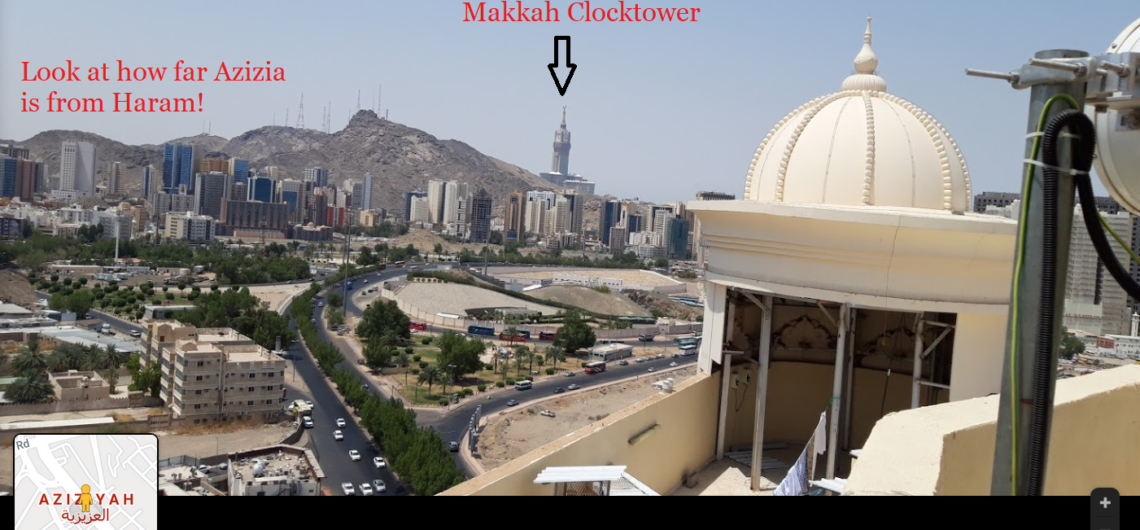
One of the most frequent questions we receive online is whether staying at Azizia is the same as staying in Makkah. Those who have previously performed hajj might know this already but for those who are willing to take our Hajj package from the USA, the simple answer is no. Staying in Azizia is quite different to staying in Makkah. A lot of agents confuse Hujjaj by claiming that Azizia is a 10-15 minute walk away from Jamarat. This, in itself, is true however, it does not apply in the season of Hajj, as the number of people exponentially rises. In the season of Hajj, a large number of Muslims, from all around the world, gather in a single place in order to submit to the will of the almighty. Because of this reason, there can be a lot of unavoidable traffic congestion, making it difficult to even cross a road. So, even normal 10-15 min journey can easily become an hour to two hours.

Secondly, the accommodations in Makkah are far better than the ones offered in Azizia. Most of the apartments and hotels in Azizia are small, and the facilities that are offered are of low standards. Those Hujjaj that are traveling with their families, especially young children, may find it very difficult to manage. In comparison, the facilities in Makkah are far better as the locals specially prepare it for this spiritual season.

Lastly, traveling from Azizia to Haram is a nightmare. The taxi fare is very high and majority of the time they drop you off midway and make you walk due to traffic congestion and road closures. In addition, it may take you more than an hour to find a taxi to leave Haram and go go to Azizia and you either have to wait a long time for a taxi or walk long distance to find one. As you know, they do not allow Taxi and other vehicles approach the Haram at the time of salat because of the heavy foot traffic and the safety of the hujjaj.

Generally speaking, Hajj is a time of spirituality where all of us come together to seek forgiveness from Allah. Narrated by Abu Huraira, The Prophet of Allah said, “Whoever performs Hajj for Allah’s pleasure and does not have sexual relations with his wife and does not do evil or sins then he will return (after Hajj free from all sins) as if he were born anew” (Sahi Al Bukhari 596). Hence, rather than taking the risk of getting late or missing out on important acts of worship, it is advisable for our friends to avoid booking accommodations in Azizia during this particular season.

Before You Go:

Hajj and Umrah are two virtues that are heavily emphasized in the Islamic religion. In the Quran, Allah states “Indeed, as-Safa and al-Marwah are among the symbols of AllahSo whoever makes Hajj to the House or performs Umrah – there is no blame upon him for walking between them. And whoever volunteers good – then indeed, Allah is appreciative and Knowing” [2:158]. At Al-Raad Tours & Travel, we offer to provide you with the opportunity to travel to the holy lands of Makkah and Madina through our cheap Hajj and Umrah packages. Our Umrah and Hajj packages are available across all major cities of USA such as Atlanta, Los Angeles New York, Chicago, Detroit, New Jersey, Washington DC, Virginia, and Boston. We offer some of the lowest prices in the entire country and provide 5 star Hajj and Umrah packages for our Muslim brothers and sisters. We consider ourselves to be truly blessed in the sense that Allah has provided us an opportunity to serve those who wish to travel to His home. Being a part of that journey, our passion is to serve everyone included through our premium hajj and Umrah services.

When travelling to the holy land of Makkah and Madina for either Umrah or Hajj, it is best to be prepared beforehand in order to utilize the time by committing most of it towards worship and prayer. Following is a list brought to you by Al-Raad Tours & Travels that is sure to help you prepare for this beautiful journey inshAllah:

  1. Make a list of all the dua’s you intend to make

As soon as news breaks out of you traveling for either Umrah or Hajj, friends and family will come forward to congratulate you as well as place requests to make special dua for them. It is best to note down all of them in list. You can keep that list with you at all times and make all the duas when you reach there.

  1. Pay off all the debts you owe

It is important to note that Umrah is sunnah whereas Hajj is only fardh for those who can afford it and are healthy. Allah specifically says in the Quran, “And Hajj (pilgrimage to Makkah) to the House (Ka‘bah) is a duty that mankind owes to Allaah, those who can afford the expenses” [3:197]. Consequently, if you owe money to anyone or are in debt, then focus on repaying them instead, for Allah will surely help you in achieving your desire to visit His holy land.

  1. Plan Ahead

For those brothers and sisters who are traveling with their young children, it is essential to plan ahead before you reach Makkah or Madina. Often, people find it difficult to manage with children as they are not prepared well for it. Thus, make sure to pack all the necessary things which can include:

  • Medication
  • Ihram
  • Extra clothes for children

Additionally, make sure to read the basic guide for performing Hajj and Umrah. This will save you a large amount of time as you will know all the steps that are required to successfully carry out the obligation. May Allah forgive all our sins and accept our prayers, inshaAllah.